Call center agents work through long nights, often on schedules opposite the rest of the workforce, all while driving forward a shared set of goals.
Behind the Headsets of a Modern Filipino Hero
As the 9-5 shift for most workers end and they settle in for the night, thousands of Filipinos remain awake, chatting on headsets, typing on keyboards, crunching numbers, and keeping their communication lines open to keep global businesses running. They are the night-shift warriors— often regarded as “The Silent Anchors”—whose work sustains a major pillar of the country’s economy.
According to the Contact Center Association of the Philippines (CCAP), the contact-center industry is projected to hit around US $33–34 billion in revenues in 2025 and employ roughly 1.7 million Filipinos —representing a significant share of the national workforce.
Back in 2006, the perception on working in a Business Process Outsourcing (BPO) industry was seen as a ticket to upward growth. A chance to earn above-average pay, support their families, or have a foundation for their savings. In a time where it was increasingly difficult to come by a well-paying job, the call-center industry was vastly growing—viewing it as a launching pad to a brighter future.
Cutting to the present, this report discovers the reality of the individuals that are part of the industry behind the paychecks and perks they receive. The aspects that hide underneath ranging from the graveyard shifts, work experiences, and its impact to their social life and welfare—highlighting the costs that most would sacrifice to make ends meet.
Gaining Experience Through Exposure: A Pathway for All
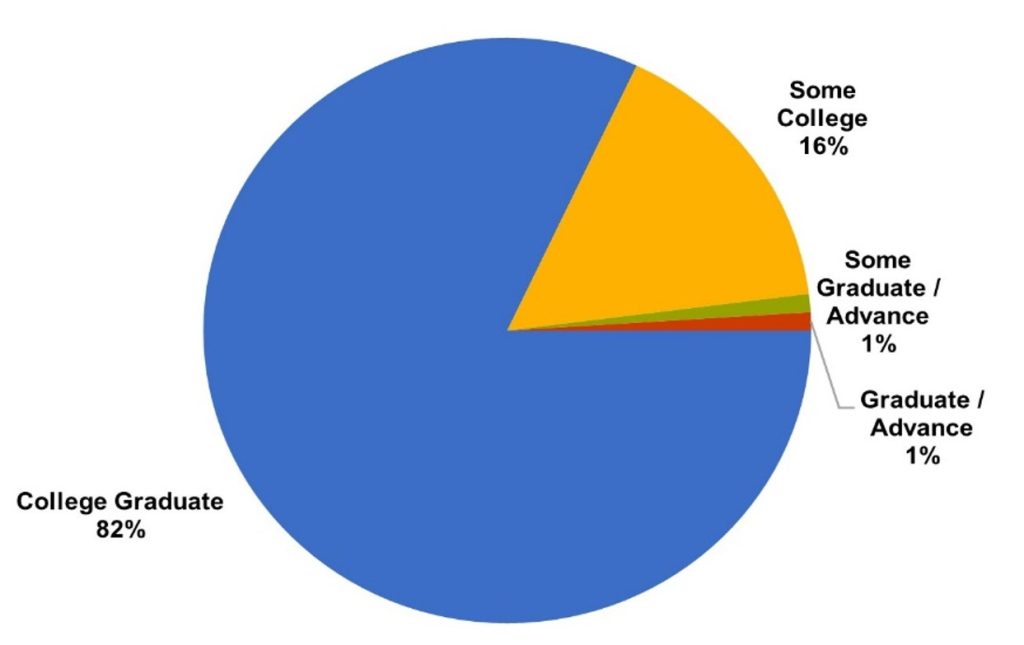
Pinoys flock to the call-center industry because it offers what many jobs don’t: accessibility, competitive starting salaries, and opportunities for growth. With English proficiency as a national advantage for international business, many applicants—even without college degrees or extensive résumés—find themselves qualified.
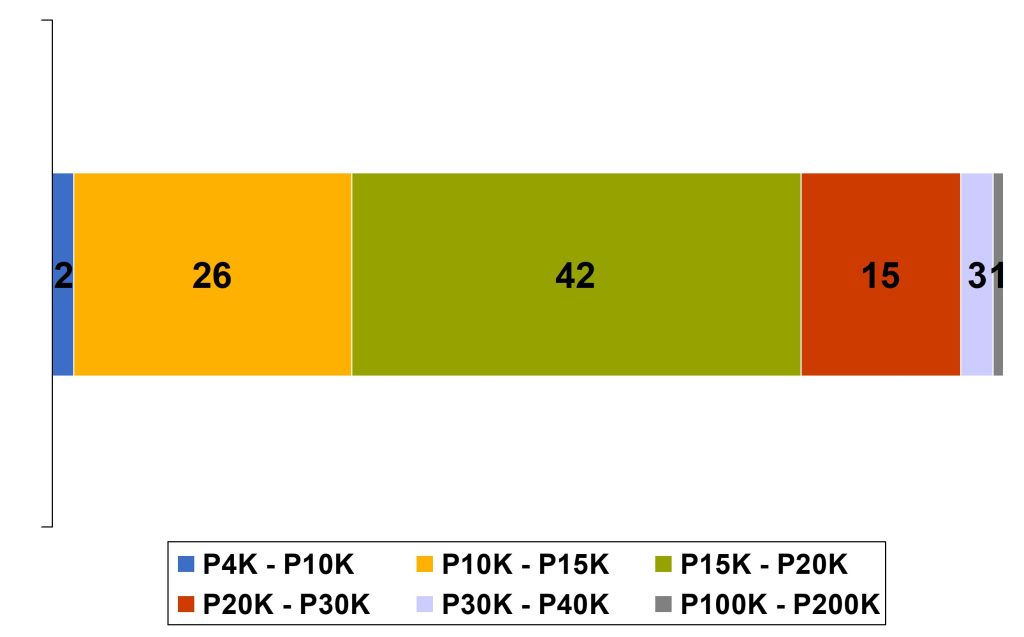
More importantly, the industry opens multiple pathways—from relatively fast promotions, extensive skills training—that allows workers to build long-term careers or prepare for bigger goals. In a country where good jobs are hard to come by, BPO work remains one of the most accessible paths to upward mobility.
💡 INSIGHT: Call center work goes about the natural boundary we have, allowing those without a full college education to still find work.
The Highs: Perks, Pay, Possibilities
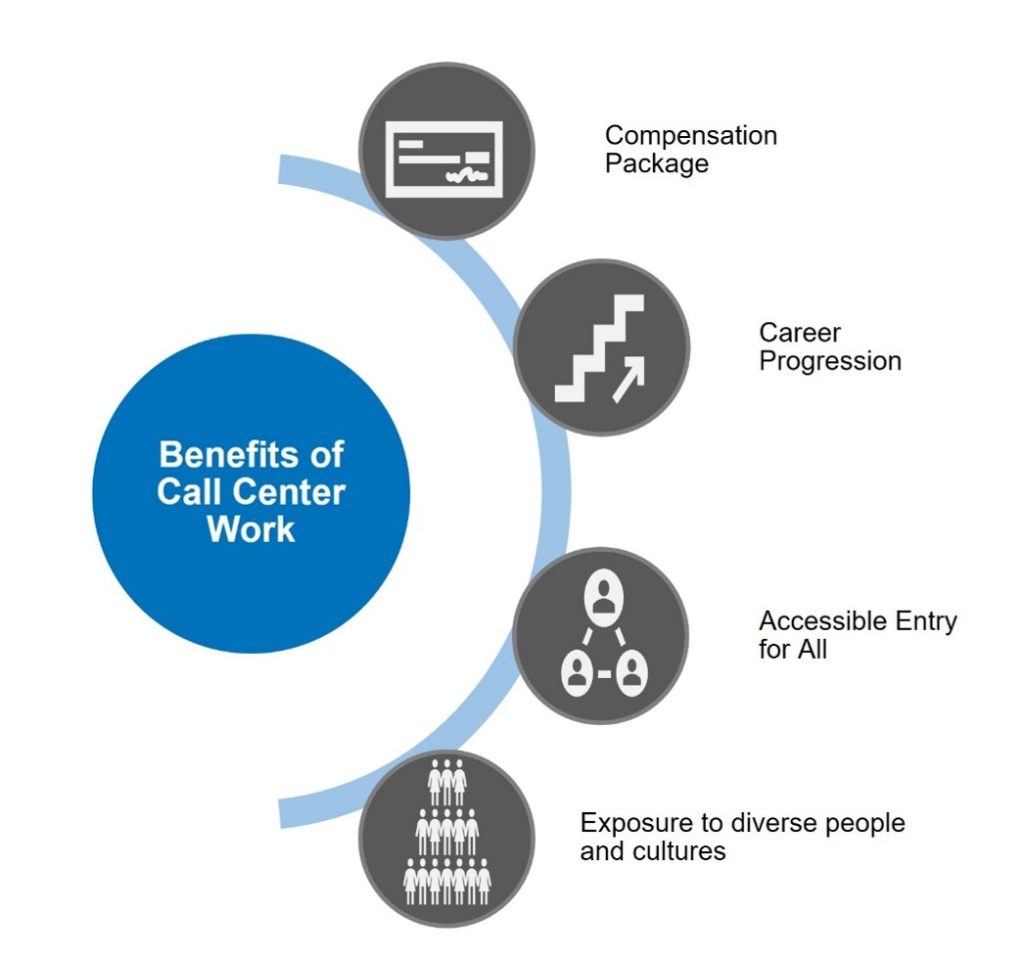
For many call center agents, the long nights and relentless calls are balanced by tangible rewards that make the effort worthwhile.
- ➣ Compensation Package: Entry-level monthly pay (₱16,000–22,000) can grow with overtime, night differentials, bonuses, and commissions — sometimes pushing total take-home well above the base salary of other jobs
- ➣ Career Progression: Those who stay and perform well can move up to mid-level roles (₱23,000–₱30,000) or even leadership roles (₱40,000–₱60,000 for team-leaders/supervisors) in a few years.
- ➣ Accessible Entry for All : Many BPOs accept fresh grads and provide training, making it easier for people to start working quickly — a lifeline for job-seekers needing immediate income.
- ➣ Exposure to diverse people and cultures: Many agents say the job broadens their work perspective, increase tolerance in their interactions at work, and builds soft skills.
💡 INSIGHT: For many Filipinos, BPO work serves as a starting point for building a stable career.
The Lows: The Cost of Working Across Timezones
It’s not all sunshine though, especially when you work the nightshift. Here are some themes mentioned by our respondents on the challenges they’ve faced while working in their industry:
- ➣ Night-shift realities: Graveyard hours can disrupt body clocks, sleep patterns, and overall health.
- ➣ Strained relationships: With opposite schedules from the rest of the household, managing relationships becomes a challenge.
- ➣ Emotional and mental strain: Meeting quotas while managing irate, sometimes abusive customers can take a toll.
- ➣ Income depends on incentives: A chunk of an agent’s earnings come from bonuses and allowances; when attendance drops or incentives shrink, so does take-home pay.
- ➣ Safety concerns: Coming home at dawn means dealing with limited transport options and concerns over personal safety.
💡 INSIGHT: The compensation can be rewarding, but it often comes with hidden costs — to health, relationships, and emotional well-being.
Managing the Challenges, Finding Satisfaction
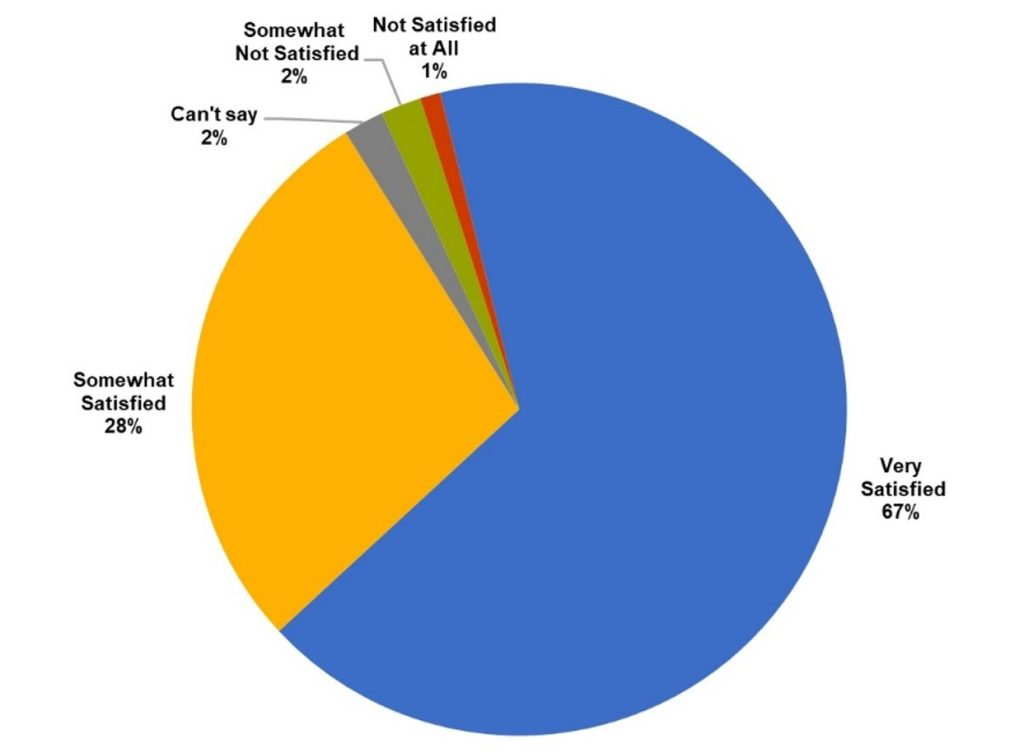
Despite the demands, many call-center agents report high job satisfaction — 67% say they’re happy with the work they do. And part of how they cope reveals a shopper behaviour that some industries have already worked around:
- ➣ Self-care and small joys: Some reward themselves with salon visits, massages, or through small purchases that help relieve work-related stress and exhaustion.
- ➣ Early-morning “gimiks”: Many unwind after shifts, especially in 24-hour establishments that cater to the BPO crowd, providing access even during late night hours.
- ➣ Supporting household expenses: Some find it rewarding when they are able to provide support to their families—reminding the purpose of their hard work and efforts are for.
- ➣ Colleagues to Companions: Facing similar schedules and challenges, coworkers often become close companions, building strong support systems with each other.
Key Takeaways
The experiences of call center agents paint a picture of resilience, hope, and courage it takes to show up.
- 1. The BPO industry is a major pillar of the Philippine economy and a source of livelihood for millions.
- 2. Filipinos are drawn to call-center work because it’s accessible, well-paying, and offers possibilities for growth.
- 3. The highs include good pay, fast hiring, generous perks, and a chance at upward mobility.
- 4. The lows include disrupted routines, emotional strain, safety concerns, and unpredictable income.
- 5. Despite it all, agents thrive through self-care, strong camaraderie, and a shared culture shaped by the unique rhythm of night-shift life.
Share


How do you feel about this article?


Survey Details
Project 1 nyt @ d col cntr, 2006