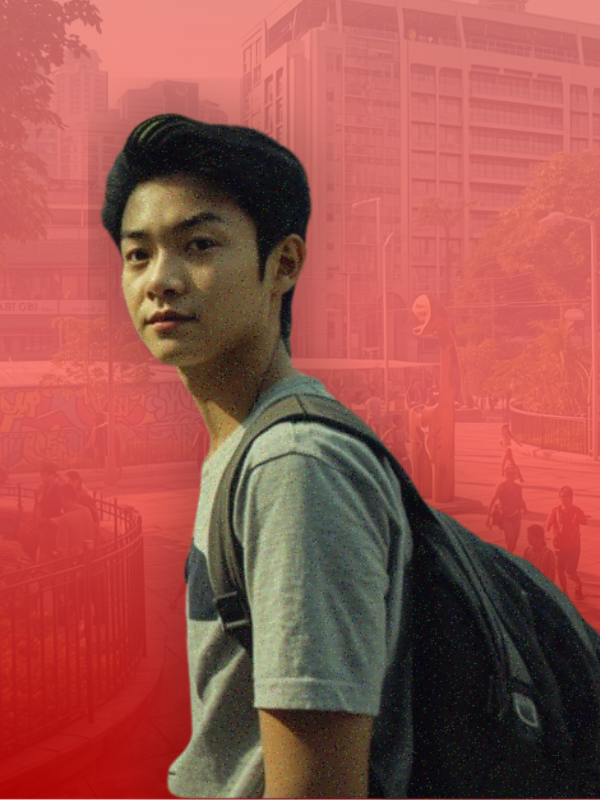
Project Generations is a wide-reaching look at the generational personae that make up Philippine society. This is the second in a two-part look at the Baby Boomer generation– seeing where they fit in today’s generational tapestry.
One defining feature of the Boomer generation is their position in time just before the rise of modern communications technology. They grew up in an era when the internet was still unheard of, and mobile phones had not yet become everyday essentials. In those days, staying in touch meant using landline phones, writing letters, or delivering messages in person. There was no instant messaging or social media to rely on, which made communication slower but often more intentional and personal.
During their youth, the Philippine government placed much of its focus on agriculture and infrastructure development. Large-scale projects like roads, bridges, and irrigation systems were seen as ways to strengthen the economy and improve the lives of everyday citizens. However, without the aid of digital tools, everything from government operations to household tasks had to be done manually.
“Walang mga facebook-facebook or cellphone noon, kung manliligaw ka, magdadate talaga kayo ”
Boomer
C2D
What Do They Value?
Boomers grew up in households where the needs of the family came first. In a time when resources were often stretched and big families were the norm, individual attention from parents was rare. Instead, focus was placed on the collective well-being of the household. As a result, Boomers were raised to think of others before themselves. This fostered values of cooperation, selflessness, and a strong sense of responsibility for those around them. They became what many would call “People for Others”, a generation that puts community, family, and service above personal gain.
Discipline in many Boomer households followed a strict, fear-based approach. The phrase “makuha ka sa tingin,” an intuitive sense of reactivity developed in such homes, perfectly captures the kind of parenting many experienced. It was a style built on silent authority and clear boundaries. Because of this, many Boomers grew up sheltered and cautious. They learned not to question rules, which made them less inclined to take risks or explore unfamiliar territory. Over time, this nurtured a generation that leaned more toward conservative thinking, less open to new ideas, and slower to adapt to change.
When it came to communication, technology had not yet revolutionized daily life. Boomers didn’t grow up with mobile phones, texting, or video calls. Instead, conversations happened in person, over the landline, or through handwritten notes. Because of this, they developed a deep appreciation for face-to-face interaction. For many Boomers, nothing quite matches the value of an honest, real-time conversation shared in person.
Living through times of political instability and economic hardship also shaped how Boomers managed their resources. With limited income and uncertainty around every corner, they learned to make every peso count. They became practical and cautious consumers, always on the lookout for the best deals and most reliable products. This value-seeking mindset still influences how many Boomers shop and spend their money today.
Together, these experiences created a generation that is caring, disciplined, practical, and grounded in the values of togetherness and tradition. Understanding this context helps us better appreciate the choices they make and the ways they continue to shape the world around them.
“…may nagpunta sa school namin na Italian company naghahanap ng mga cadet engineers. Sabi namin ‘uy sigurado abroad ‘to! Sige apply tayo!’ Sabi naming magbabarkada. Hindi namin alam Iraq pala and that time yan yung Iran-Iraq war. Eh natanggap kami, syempre malaki yung offer so mas naexcite ako sige bakit ba? ”
Boomer
BC1
Juan grew up in a household where the needs of the many often came before the needs of the one. His main priority in life has always been to secure the well-being of his family and, often, even those outside of it. This sense of responsibility and generosity extends to neighbors, friends, and even acquaintances– making Juan’s generation one of the most community-minded in recent history.
Growing up in large families taught Boomers to think beyond themselves. Meals, chores, and even decisions were shared. As children, they were raised with a collective mindset. They were taught to consider how their actions affected the family as a whole. Over time, this translated into a strong desire to provide, not just for their children, but for parents, siblings, and even extended family members. Providing for others became a source of pride and fulfillment.
This strong sense of duty also led many Boomers to seek better opportunities outside the Philippines. The Boomer generation produced the country’s first wave of overseas Filipino workers, particularly those who ventured into the Middle East during the 1970s and 1980s. These pioneers worked in unfamiliar lands, sending money back home and supporting not just their immediate families but entire households. Their sacrifices laid the foundation for the OFW culture that continues to this day.
44 percent of Boomers believe that their generation is closer to their families than any other. They see strong family ties as a defining trait. While many Boomers may not have grown up with modern luxuries or technology, they take pride in their resilience, their self-sufficiency, and their ability to give.
“Ako ang nagluluto para sa mga kapatid ko papasok sa school, before I go to school pinreprepare ko yung baon namin kahit na may househelp kami.”
Boomer
BC1
9 percent also highlight their confidence in their capability to provide for both themselves and their loved ones.
“Kung halimbawa kung mananalo sa lotto syempre pamilya muna, ipapagawa ko yung bahay namin tapos yung sobra kailangan mga anak tsaka sa simbahan.”
Boomer
C2D
Boomers are often seen as the most outwardly community-oriented generation, and many of them take pride in being sensitive to the needs and struggles of those around them. Raised in a time when order and harmony were highly valued, their actions are often guided by what is considered socially acceptable. For Boomers, maintaining good relationships is key, and they often choose to set aside their own preferences or desires if it means keeping the peace.
In fact, 23 percent of Boomers say they are willing to let go of their own interests in favor of others, especially when it helps preserve good relationships. Their deep sense of social responsibility even shows up in their personal goals. Many Boomers include socially impactful items on their bucket lists, making a large donation to charity (47 percent), saving someone’s life (35 percent), donating blood (31 percent), and planting trees (31 percent) are just a few of the things they hope to achieve.

| Baby Boomers in Public Service | |
|---|---|
| Government or Public sector offices | 28% |
| Others | 72% |
This strong sense of civic duty has also led many Boomers to enter public service. About 28 percent of Boomers are reported to be working in government or public sector offices. Their careers often reflect the same values they live by: service, responsibility, and the desire to help others.
Even in their later years, Boomers continue to be deeply concerned with larger societal issues. They are the most engaged when it comes to topics such as social justice, politics, and the environment. Around 35 percent say they care greatly about these matters, while 39 percent name environmental issues as the most important challenge facing the world today.
These values did not form in a vacuum. Boomers were shaped by the times they lived through– post-war recovery, political instability, and Martial Law. These experiences encouraged them to look beyond their own lives and take an interest in the common good. For many, this became a lifelong habit, resulting in a generation that continues to care, act, and give in ways that positively impact society.
“Nakaramdam ako noong kay Cory na nung 86 na.. kasi nasa mature stage ka na nun, nag-iisip ka ng politics, yung hearsay lang noon.. Ngayon syempre naramdaman mo na…conscious na ako noon”
Boomer
BC1
Keeping Pace With the World
“Maiksing maiksing short. Sa simbahan nung araw kailangan meron kang belo. Ngayon naka-shorts pa.”
Boomer
C2D
Despite their rich life experience and wisdom, many Boomers like Juan can sometimes feel overwhelmed by how quickly the world is changing. Shifts in social norms, behavior, and technology present constant challenges to the traditional values they were raised with.
For example, Juan often finds himself surprised by how much society has changed. Things that were once considered improper, such as wearing shorts to church or women confidently expressing romantic interest, can be difficult for him to accept. This is a reflection of how deeply Boomers hold on to tradition. In fact, 32 percent of Boomers believe that all actions should be guided by customs and socially acceptable norms.
“Kaso yung mga lalaking anak ko sila yung pinupuntahan dito e, baliktad di ba? Kaya nga sabi ko, “Aba baliktad na babae na umaakyat sa mga lalaki”
Boomer
C2D
One area where this devotion to tradition is especially clear is in religion. For Juan and many in his generation, faith plays a central role in life. Attending religious services, such as Sunday mass, remains a regular practice. More than just a habit, it is often seen as a duty. About 45 percent of Boomers say going to mass is an obligation, while 25 percent prefer to leave things beyond their control to their spiritual beliefs. A significant 54 percent still attend religious services frequently, demonstrating their enduring commitment to their faith.
Another area of difficulty is technology. Keeping up with digital trends can be confusing or even intimidating for Boomers like Juan. While they are not entirely disconnected, their use of technology is often limited. Most Boomers use social media to stay in touch with family, but only to a certain extent. Many say their children encouraged them to create Facebook accounts or taught them how to use Google. As a result, 31 percent of Boomers now use Facebook, 15 percent use Google, and 14 percent watch videos on YouTube. For many, this marks the extent of their online activity.
“Nakaka-pressure din kasi ine-expect nila na maka-follow ka sa pag gamit ng mga facebook.”
Boomer
BC1
Overall, Boomers tend to stick to simpler, more familiar routines in their daily lives. They prefer low-tech activities that provide comfort and a sense of order. Watching TV remains their favorite pastime, with 72 percent listing it as their go-to activity. Other common ways to spend time include sleeping (18 percent), cooking (17 percent), cleaning the house (14 percent), and simply relaxing or doing nothing in particular (12 percent).
Concerning Technology
Despite living in today’s highly digital world, Juan still prefers doing things the old-fashioned way. When it comes to communicating with others, he chooses face-to-face interaction over text messages or video calls. This preference is rooted in how he grew up. During his formative years, physical interaction was not only the norm, it was the only option.
Back then, conversations took place in person or occasionally through handwritten letters or landline phones. There was no internet, no email, and certainly no messaging apps. Even the games children played, like patintero or luksong tinik, revolved around physical presence and teamwork. This shaped the way Boomers like Juan connected with others. Human interaction meant being present, not just digitally available.
Because of this, Juan is generally hesitant when it comes to technology-aided communication. Social media, in particular, is something he approaches with caution. It feels unfamiliar and in some ways intrusive. Posting photos or personal updates online can be uncomfortable, as it challenges long-held notions of privacy. Many Boomers feel that putting their lives on display for others to see is unnecessary and even risky.
This hesitation also explains why Boomers like Juan have fairly limited use for the internet. While they may know how to browse or scroll through Facebook, they rarely go beyond that. To them, being tech-savvy is often seen as something more suited to the younger generations. It is not something they were taught growing up, and adapting to it later in life can feel unnatural.
“Wala akong FB, more on radio and newspaper ako…It’s so easy kasi to create yung mga bogus (accounts sa FB), napakadali. Like yung dalawa kong daughters, minors yun ah (nakagawa sila), but you’re supposed to be 18 before you can make one.”
Boomer
BC1
However, that does not mean Boomers are completely closed off to technology. According to surveys:
- Thirty-five percent of Boomers believe that people their age are capable of embracing new technologies.
- Twenty-six percent see social media as a useful tool for reconnecting with old friends.
- Twenty-three percent think it is important for helping them stay connected with others.
Still, concerns remain. About twenty-two percent say that social media feels too intrusive. This tension between embracing and resisting digital tools reflects the generation’s unique position. They grew up in a time where real-world connection was the only option and now live in a world where digital communication dominates.

| Perspective on Technology of Baby Boomers | |
|---|---|
| Capable to embrace new technologies | 35% |
| Social media as a tool for reconnecting with old friends | 26% |
| Technology as a tool to stay connected with others | 23% |
| Social media is too intrusive | 22% |
Juan’s preference for face-to-face interaction is not simply a reluctance to change. It is shaped by a lifetime of habits, experiences, and values. For him and many in his generation, nothing beats the warmth of a conversation held in person, where tone, facial expression, and human connection can be felt in full.
“Dati ang laro physical play talaga, lalo na pag walang pasok pumupunta kaming mga kabataan sa kalsada para mag-basketball.”
Boomer
BC1
On Brands, Value, and Money
Names You Can Trust
“Kasi kung anong kinasanayan ko nang gamitin. Kunyari sabon, Safeguard lang talaga”
Boomer
C2D
Having grown up in tough times, Juan learned the importance of making every peso count. Like many in his generation, he developed a mindset that values practicality and durability when it comes to spending. Getting the most out of every purchase became second nature.
Boomers tend to be loyal to brands that have proven themselves over time. They gravitate toward names they have known and trusted for years. For them, a good product is one that is not just familiar, but also reliable. They look for durability and quality– items that can last through years of use without falling apart.
Many are also quite particular about where products are made. They usually trust Japanese and German brands for their reputation in quality and craftsmanship. On the other hand, they may be more skeptical about products made in China or Korea, often based on past experiences or general perception.
According to research, thirty-six percent of Boomers enjoy comparing prices before making a purchase. They look for the best deals and are not afraid to spend time making sure they get the most value for their money. For Juan and others like him, a good buy is not just about what is affordable, but also about what will last and deliver consistent results.
“Nescafe kasi, proven na kasi may track record na siya sa taste. Tsaka yung consistency ng quality, importante yun eh. Kasi ang iba sa umpisa lang [maganda] yan eh, tapos biglang bababa yung quality level.”
Boomer
BC1
Purchase Habits
When it comes to shopping, Juan likes to keep things simple. He sticks to what he really needs and avoids unnecessary spending. This practical mindset, shaped by the experiences of his generation, means that his shopping list often includes the basics– essentials that keep the household running smoothly.
Most of Juan’s purchases fall under food and personal care. These include items like toothpaste, coffee, detergent, soap or body wash, and clothing. Awareness and usage of these products are almost one and the same. For example, ninety-nine percent of Boomers are aware of toothpaste, and ninety-eight percent actually use it. The same is true for coffee, with ninety-nine percent awareness and ninety-four percent current use. The pattern is similar for detergent, soap, and clothing. This small gap between knowing about a product and actually using it suggests that Boomers like Juan are very consistent and intentional with their purchases.
When choosing among brands, Juan prefers ones that are already familiar. He is drawn to names he has trusted for years, brands that have earned their place in his life through reliability and quality. Among the top choices for Boomers are Jollibee, Mercury Drug, Colgate, Safeguard, Nestlé, SM, Samsung, and Tide. These are brands that have built strong reputations and have been around long enough to prove their worth.
Boomers place a lot of weight on a brand’s character. They are not easily swayed by trends or flashy marketing. Instead, they look for traits such as honesty, reliability, and integrity. A brand that feels safe and genuine will earn their loyalty. According to surveys, Boomers value honesty the most in a brand at forty-one percent, followed by being genuine, classy, and reliable. They also appreciate brands that make them feel happy, safe, and assured.
Talking With Your Wallet
Of course, all those everyday essentials need to be paid for somehow. And for Juan, the trusted way to make a purchase is still with cash. It is familiar, tangible, and gives him full control over his spending. In fact, one hundred percent of surveyed Boomers still prefer to pay with cash. Credit cards come in at a distant four percent, while debit cards trail even further at just one percent. It is clear that when it comes to money, Boomers feel most comfortable when they can hold it in their hands.
Beyond sticking to cash, Boomers like Juan are also on the lookout for value. They enjoy getting more from their purchases, which is why buy-one-take-one deals are their favorite type of promo, with seventy-seven percent saying these are what they like best. Next on the list are premium items at forty-seven percent, followed by discounts at forty-six percent. Sales and free samples are also popular, with thirty-six and twenty-nine percent respectively. These deals are more than just marketing tactics– they are opportunities to stretch the budget and feel good about a smart buy.
When it comes to growing their money, Boomers tend to be careful and conservative. Only twenty-six percent report having savings or active investments. While that number might seem low, it speaks to the cautious nature of this generation, shaped by years of financial uncertainty and a desire for security over risk.
Interestingly, Boomers tend to choose their banks based on trust, and trust often starts at home. Thirty-eight percent say they rely on their spouse or partner’s recommendation when choosing a bank. Twenty-three percent trust their children’s suggestions. Celebrity endorsements have some influence too, with eighteen percent saying these affect their decision, which is even more than the trust placed in other relatives at fifteen percent or friends at just nine percent.
Dancing With The Stars
“Pagdating sa mga produkto, TV pa rin ang nakakaimpluwensiya sa akin”
Boomer
C2D
When it comes to media habits, television continues to reign supreme for Boomers. It is not just a source of entertainment– it is also a reliable way to stay updated on news, trends, and cultural happenings. Among all forms of media, TV stands out as the most accessible and preferred platform, with one hundred percent of Boomers surveyed naming it as their top choice. Whether it is a noontime show, the evening news, or a weekend drama, television has been a constant companion in their daily lives.
Although television holds the top spot, print media still enjoys a strong following. Nearly half of Boomers, at forty-six percent, still turn to printed material. Among them, tabloids are the more popular choice, with thirty-two percent choosing them over broadsheets, which are favored by fifteen percent. This fondness for print is likely rooted in habit, formed during a time when reading the newspaper was a daily ritual.
Interestingly, radio and the internet see lower engagement levels. Radio is preferred by thirty-nine percent of Boomers, and internet usage sits at thirty-five percent. However, it is worth noting that ninety-two percent report having social media accounts, showing that many are willing to explore the digital world, even if they do not fully embrace it yet. Meanwhile, mobile phones are used by eighty-two percent, making them a common, though not necessarily high-tech, part of daily life.

| Media Habits of Baby Boomers | |
|---|---|
| Television | 100% |
| Social media | 92% |
| Mobile phones | 82% |
| Printed material | 46% |
| Radio | 39% |
| Internet | 35% |
| Tabloids | 32% |
| Broadsheets | 15% |
And of course, Boomers have their favorite stars. Their love for television and film naturally translates into admiration for local celebrities who have stood the test of time. Among the most well-loved are Vilma Santos and Fernando Poe Jr., each named by six percent of Boomers, followed closely by Nora Aunor at five percent. These stars are not just entertainers– they are respected figures seen as credible, talented, and influential.
Looking Back
As Juan takes a quiet moment to reflect on his life, he thinks to himself, “Binigay ko ang lahat sa aking pamilya at komunidad, ngunit nakalimutan kong bigyan ng panahon ang aking sarili.” It’s a sentiment that echoes through the hearts of many Boomers. They dedicated so much of their time, energy, and resources to caring for their families, supporting their communities, and fulfilling their responsibilities that, somewhere along the way, their own dreams and personal desires were quietly set aside.
Now, as the demands of life begin to ease, Boomers are entering a stage where fewer obligations are expected from them. For perhaps the first time in many years, they are beginning to rediscover the value of looking after themselves. This newfound space in their lives allows them to explore what brings them joy, comfort, and peace of mind.
Still, for many, the journey comes with a tinge of regret. There is often a quiet wondering about the paths not taken or the interests they didn’t pursue when they were younger. But rather than dwelling too much on the past, many Boomers are choosing to focus on the present.
Today, around fourteen percent say they feel content and good about themselves. Nine percent express confidence in their ability to continue providing for themselves and their families. These may seem like modest numbers, but they reflect a quiet resilience and a growing appreciation for self-worth, after decades of giving so much to others.
“Ako yung parang feeling ko there were unrealized dreams when I was younger. When you’re younger and then you’re raising a family, there are things you want to do but you put it aside…Kagaya ko my husband is working abroad for 25 yrs. He left when my son was 2 ½ pa lang kaya di ako nagwork ng full time because I needed to be there when they needed. Ngayon na nakatapos na sila, may mga bagay na ngayon mo narerealize, we are entering in a stage of our life na pwedeng mag-set in yung insecurity. I know if I decide to get employed [at my age], opportunities are no longer as easy as they were when I was younger. But I know if I want to pursue it, I will get it”
Boomer
BC1
Now that we’ve had a chance to see the world through Juan Jr.’s eyes and understand what shaped the Boomer generation, it’s time to shift our attention to the next chapter in the Dela Cruz family story. Meet Jane Dela Cruz, the Gen Xer.
Share


How do you feel about this article?